
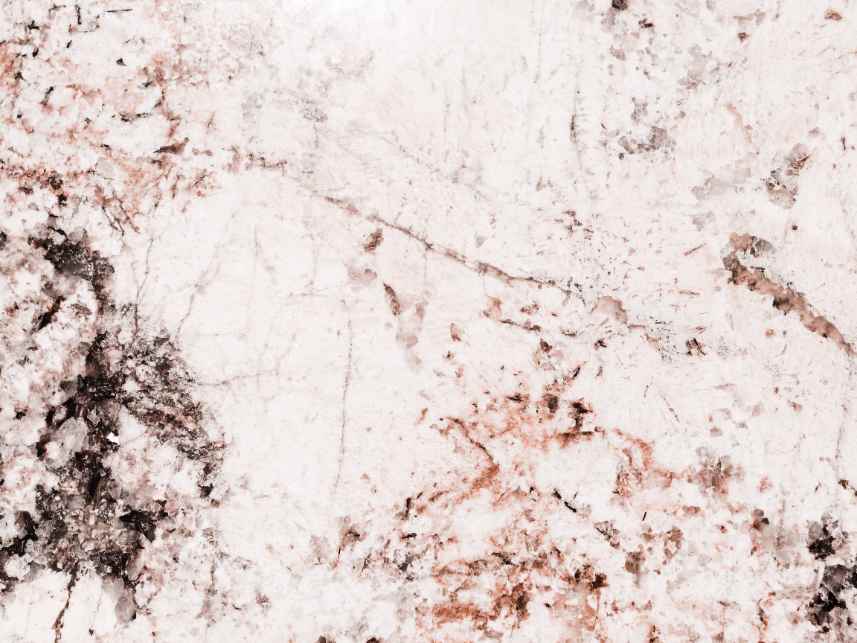
Marble flooring is widely appreciated for its elegance, durability, and timeless appeal. Whether installed in homes, offices, hotels, or commercial spaces, marble instantly enhances the overall aesthetic of an interior. Marble is a natural stone and therefore, despite its luxurious and durable appearance, it can develop scratches, stains, dull patches, and surface damage over time. Daily foot traffic, accidental spills, movement of furniture, and the use of improper cleaning methods often leave visible marks that reduce the shine and beauty of marble floors. Scratch marks are one of the most common issues faced by marble floor owners. Compared to many other natural stones, marble is relatively softer, making it more susceptible to scratching by footwear, movement of furniture, abrasive cleaning tools and the presence of dirt particles.
Fortunately, scratches and stains on marble can be effectively treated with appropriate restoration techniques. Professional marble restoration methods help revive the stone’s natural finish while extending its lifespan. Understanding the reasons why marble is easily scratched and stained, as well as the knowledge of correct treatment methods, is essential for maintaining the appearance and durability of marble flooring.
Minor scratches appear as dull lines or cloudy marks, but deeper scratches are highlighted and become prominent under direct lighting.
For light surface scratches, professional polishing is generally the most effective solution. Diamond polishing grits or pads are used to gently smooth the affected area and restore its natural shine. Professionals use fine grit abrasives to carefully remove a thin layer from the marble surface and eliminate scratches. The floor is subsequently polished and buffed to restore the marble’s glossy finish.
Many homeowners attempt to remove scratches using harsh scrubbing pads or strong chemical cleaners, but these methods can make the damage worse. Marble is highly sensitive to acidic substances such as vinegar, lemon juice, and bleach-based cleaners. Acidic products etch the marble surface and create dull patches that are difficult to repair. It is for this reason that the use of pH-neutral cleaners specifically designed for marble is recommended for regular maintenance.
Deeper scratches usually require grinding and professional restoration. During this process, technicians use specialized diamond grinding machines to level the marble surface and eliminate deeper imperfections. After grinding is concluded, the floor is honed and polished to achieve a smooth and uniform finish. Although this restoration method is more intensive, it can successfully revive a heavily damaged marble floor without the need for replacement.
In addition to scratches, staining is another major concern for marble floors. Marble is naturally porous, meaning it can absorb liquids quickly if spills are not cleaned immediately. Common substances such as coffee, tea, oil, wine, ink, turmeric, and acidic liquids can penetrate the surface and leave stubborn stains.
The treatment process depends on the type and severity of the stain. Oil-based stains, including grease and cooking oil, are often treated using absorbent poultices. A poultice is a paste made from an absorbent material and an appropriate cleaning solution that helps to draw out the stain from the marble pores. The paste is applied to the stained area, covered, and left for several hours until the pigment from the stain is absorbed. For deeper stains, professionals may repeat the process to achieve better results. Organic stains caused by food, beverages, or plant matter can often be removed using mild stone-safe cleaning solutions. These cleaners break down the stain without damaging the marble surface. Rust stains, however, are more difficult to remove and usually require specialized rust-removal products formulated specifically for natural stone surfaces.
Etch marks on marble floors are frequently mistaken for staining. Acidic substances such as lemon juice, soft drinks, or bathroom cleaners, chemically react with marble, leaving dull or whitish marks on the surface. Unlike stains, etching affects the marble’s finish rather than penetrating the stone itself. In most cases, polishing is required to restore the shine and smoothness of etched areas.
Professional marble restoration companies often use a combination of honing and polishing techniques to restore damaged marble floors. Honing removes minor surface imperfections and smoothens the stone, while polishing enhances clarity and shine.
Preventive maintenance also plays a crucial role in preserving marble flooring. One of the simplest and most effective ways to protect marble floors is by placing soft mats or rugs in high-traffic areas. Dust and dirt particles act as abrasives when walked upon, gradually causing fine scratches on the marble surface. Regular sweeping and mopping with soft microfiber tools help remove dirt before it can damage the stone. Marble floors should also be protected from furniture. Heavy furniture such as chairs, tables, and cabinets should have protective pads beneath their legs to prevent scratches during movement. Dragging furniture directly across marble floors should always be avoided, as it damages the surface.
Immediate attention to spills is essential in preventing stains. Liquids should be wiped away promptly using a soft cloth to minimize absorption into the marble. Allowing spills to remain unattended significantly increases the risk of permanent staining. Using coasters, trays, and protective coverings can further reduce the likelihood of accidental damage.
Periodic sealing is essential for marble floors. A high-quality marble sealer creates a protective barrier that reduces the stone’s absorbency and improves its resistance to stains. However, sealing does not make marble completely stain-proof, which is why proper cleaning and maintenance practices remain important. Professional marble polishing companies can recommend an appropriate sealing schedule based on the type of marble and the level of usage.
While minor scratches and stains may sometimes be managed through regular maintenance, severe damage should always be handled by trained professionals. Incorrect restoration methods can permanently damage marble surfaces and result in costly repairs. Experienced marble restoration specialists possess the equipment, polishing compounds, and technical expertise required to safely restore marble without affecting its natural beauty.
In conclusion, marble floors require proper care and timely maintenance to preserve their elegance and durability. Scratches, stains, and dullness are common issues, but they can be effectively addressed through professional restoration methods such as polishing, honing, grinding, and sealing. At the same time, preventive measures including regular cleaning, immediate spill removal, and protective maintenance can significantly extend the lifespan and appearance of marble flooring. With the right care and professional attention, marble floors can continue to look polished, sophisticated, and timeless for many years.
Have questions or need expert advice?
📧 Write to us at: info@aplustouchstoneservices.com
🌐 Visit us online: www.aplustouchstoneservices.com