
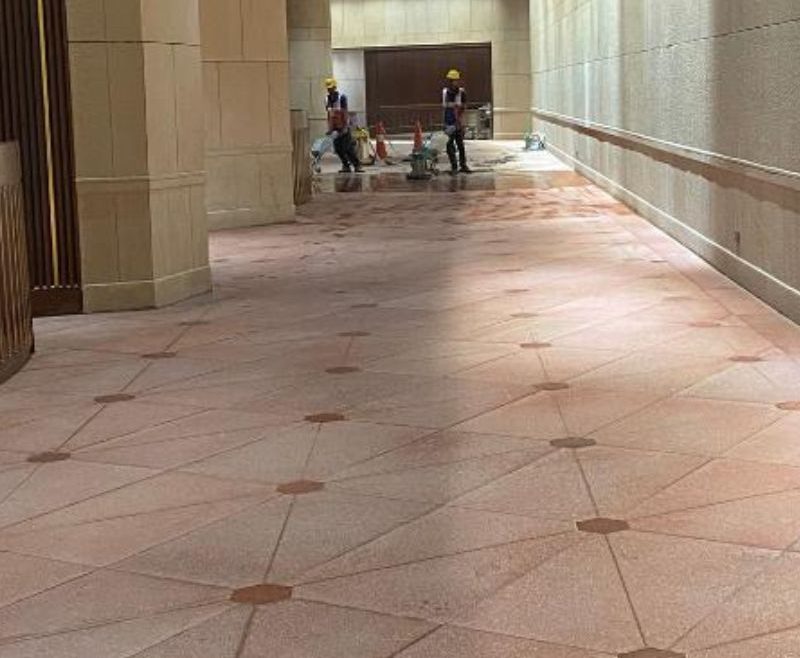
Marble flooring is valued for its natural beauty, distinctive veining, durability, and ability to bring a refined and sophisticated appearance to both residential and commercial interiors. However, professional marble polishing is only the first step towards maintaining a beautiful floor. Once a marble surface has been professionally polished, proper and consistent maintenance is essential to preserve its finish, protect the stone and extend the interval between restoration treatments.
Even a polished marble surface can be affected by abrasive dirt, acidic substances, moisture, stains, scratches and inappropriate cleaning methods. A well-planned maintenance routine can help property owners protect their investment in professional polishing and ensure that their floors remain smooth, clean and visually appealing for many years.
Allow the Polished Surface to Settle
Immediately after polishing, the marble floor should be handled with care and maintained according to the recommendations provided by the contractor. Depending on the polishing process and any protective treatment applied, there may be a specified period during which heavy foot traffic, moisture, furniture movement or cleaning should be avoided. Furniture should never be dragged across a newly polished surface. Heavy objects can cause scratches, scuff marks or pressure-related damage, if moved improperly.
Following the contractor’s post-polishing recommendations is particularly important during the initial period after restoration.
Keep Dust and Grit Under Control
One of the most common causes of wear on polished marble is everyday dust and grit. Fine particles carried indoors on footwear can act as abrasives when repeatedly walked across the surface. Over time, this can create microscopic scratches, reduce surface clarity and gradually diminish the polished appearance.
Regular dust removal is therefore an important part of marble maintenance. Soft microfiber dust mops and other non-abrasive cleaning equipment are suitable for removing loose particles without damaging the finish. Entrance areas should receive particular attention because they are exposed to the highest levels of outdoor dirt.
High-quality entrance mats can also help reduce the amount of dust, sand and moisture brought into the property.
Use Appropriate Cleaning Products
Marble is particularly sensitive to acidic substances because it is primarily composed of calcium carbonate. Acidic cleaners can react with the stone and cause etching, resulting in dull, cloudy or uneven patches on the surface. Products containing vinegar, lemon, abrasive powders, strong bathroom cleaners or other harsh chemicals should be avoided unless specifically recommended for marble. A pH-neutral cleaner formulated for natural stone is generally a safer option for routine maintenance.
Cleaning products should always be used according to the manufacturer’s instructions. Excessive quantities can leave a residue that affects the appearance of the polished surface.
Address Spills Promptly
Even a professionally polished marble floor is susceptible to staining, particularly when the stone is porous or when its protective treatment has weakened over time. Substances or beverages such as coffee, tea, fruit juice, oil and certain cosmetics should not be allowed to remain on the marble for extended periods. Spills should be gently blotted with a clean, soft cloth instead of being vigorously rubbed. Prompt action helps minimize the possibility of the liquid penetrating the stone or leaving a visible stain.
Protect High-Traffic Areas
Different areas of a property experience different levels of wear. Entrances, corridors, reception areas, lifts, kitchens and frequently used walkways generally show signs of wear sooner than areas with limited foot traffic.
In commercial properties such as hotels, offices, restaurants and retail establishments, a planned maintenance programme can help identify high-wear areas before significant deterioration occurs. Strategic placement of entrance mats, regular dust removal and appropriate cleaning can substantially reduce the amount of abrasive material reaching the marble surface.
Handle Furniture Carefully
Furniture is another potential source of scratches and surface damage, particularly when chairs, tables, cabinets and other heavy objects are dragged across polished marble. Felt pads or suitable protective support beneath furniture legs can minimize direct contact with the floor.
Whenever furniture needs to be moved, it should preferably be lifted rather than dragged. For heavier items, using appropriate moving equipment or professional assistance can help prevent unnecessary damage to the marble.
Control Moisture
Moisture requires particular attention in humid environments. Mumbai’s coastal climate, especially during the monsoon season, can introduce significant amounts of moisture into buildings. Rainwater, wet footwear, and damp cleaning equipment can leave moisture on marble surfaces.
Water should not be allowed to remain on the floor for prolonged periods. Cleaning should be carried out with a well-wrung mop, followed by appropriate drying where necessary. Persistent dampness should also be investigated, as recurring moisture can contribute to staining and other issues in porous natural stone.
Maintain the Protective Sealer
Depending on the type of marble and the restoration process, a professional contractor may recommend applying a suitable sealer after polishing. A sealer can help reduce the absorption of liquids and contaminants, although it does not make marble completely resistant to staining.
Protective sealers gradually lose their effectiveness due to regular cleaning, foot traffic, and everyday use. Their condition should therefore be assessed periodically. Rather than applying additional sealer unnecessarily, property owners should seek professional advice to determine whether resealing is actually required.
Avoid DIY Polishing Products
A common mistake after professional marble polishing is attempting to maintain the shine with household polishing products. Some products may leave residues, create an uneven appearance, or react adversely with the stone.
Professional marble polishing is a specialized process involving the selection of appropriate abrasives, polishing compounds, machinery, and techniques based on the marble type and its condition. If the surface begins to lose its original finish, professional assessment is generally preferable to experimenting with untested products.
Schedule Periodic Professional Maintenance
Even with careful daily maintenance, marble will naturally deteriorate over time. Periodic professional maintenance can address minor imperfections before they develop into more extensive surface damage. The frequency of professional polishing depends on several factors, including the type of marble, level of foot traffic, existing finish, cleaning practices and environmental conditions. Residential marble floors may require professional attention less frequently than heavily used commercial flooring. Rather than waiting until the floor becomes significantly dull or damaged, periodic professional inspections can help determine when polishing, honing, cleaning, or restoration may be appropriate.
Conclusion
Professional marble polishing will enhance the appearance but preserving that finish requires consistent and informed maintenance. Regular dust removal, prompt attention to spills, use of appropriate cleaning products, protection against scratches, careful furniture handling and effective moisture control can all contribute to a longer-lasting polished surface.
For properties in Mumbai, where humidity, monsoon moisture, dust, pollution, and heavy urban foot traffic can accelerate surface wear, preventive maintenance is particularly important. With appropriate daily care and periodic assistance from experienced marble polishing professionals, polished marble floors can retain their smooth finish, depth, and natural elegance for many years.
Have questions or need expert advice?
📧 Write to us at: info@aplustouchstoneservices.com
🌐 Visit us online: www.aplustouchstoneservices.com