
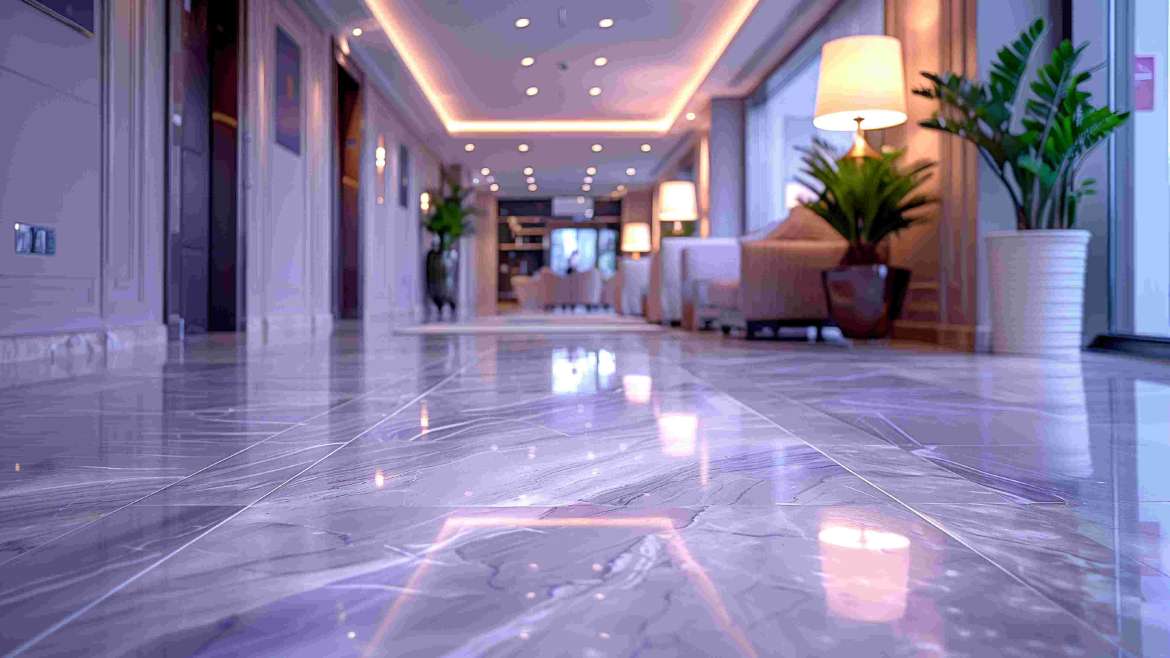
Marble flooring has long been associated with elegance and luxury. Whether it’s in a home, office, or commercial space, marble instantly enhances the overall look of interiors. But despite its beauty, marble is not a “set it and forget it” material. Over time, it develops certain problems due to daily use, environmental factors, and improper maintenance.
If you’ve noticed your marble floor looking dull or damaged, you’re not alone. The good news is that most marble issues can be fixed, if handled by experts. Let’s analyze the most common marble floor problems and how experts deal with them.
| Problem | Description | Why It Happens | How Experts Fix It |
| Loss of Shine or Dull Surface | Marble loses its glossy, reflective finish and starts looking flat and lifeless. | • Foot traffic | Professionals restore shine through polishing using honing powders, polishing compounds, and high-speed machines. Crystallization may also be used to enhance gloss and create a reflective finish. |
| • Dust and dirt act like abrasives | |||
| • Use of harsh cleaning chemicals | |||
| • Moisture and humidity | |||
| Scratches and Surface Marks | Fine lines or deeper scratches make the floor look worn and uneven. | • Dragging furniture | Minor scratches are removed through honing and polishing. Deep scratches are treated using diamond grinding pads before restoring a smooth finish. |
| • Dirt or sand under shoes | |||
| • Pets or sharp objects | |||
| Stains and Discoloration | Marble absorbs liquids, leading to visible stains from oil, tea, coffee, etc. | Marble is porous and absorbs spills quickly if not cleaned immediately. | Experts use poultices to extract deep stains. After removal, the surface is polished and sealed to prevent future staining. |
| Etching (Dull Spots from Acids) | Dull patches or marks that remain even after cleaning. | Acidic substances like lemon juice, vinegar, or cleaners react with marble. | Etching is removed by polishing with fine abrasives. Severe cases may require light grinding to restore the finish. |
| Uneven Surface (Lippage) | Tiles are not level, making the floor uneven and poorly finished. | • Improper installation | Grinding is used to level the surface. After leveling, polishing restores a smooth and even finish. |
| • Natural structural movement | |||
| Cracks and Chips | Visible cracks or chipped edges make the marble look damaged. | • Heavy impact | Cracks and chips are filled with colour-matched resin or marble fillers. The area is then polished to blend seamlessly. |
| • Structural movement | |||
| • Poor installation | |||
| Yellowing or Dull Patches | Marble develops yellow tones or uneven dull areas over time. | • Water seepage | Professionals remove the affected layer through honing or light grinding, followed by polishing and proper sealing. |
| • Low-quality sealants or wax | |||
| • Chemical buildup | |||
| Water Spots and Moisture Damage | Water marks and patches dull the marble surface. | Continuous exposure to moisture and minerals in water. | Affected areas are polished and sealed with high-quality sealants. Periodic resealing is recommended for moisture-prone areas. |
Why Professional Help is Important
While some minor issues may seem manageable with DIY solutions, marble maintenance is a technical process. Using the wrong cleaning product or method can worsen the problem. Professionals understand the different types of marble. They follow a systematic process with the right machines and materials. This approach results in ensuring long-lasting results.
In cities with high humidity and dust levels, marble tends to deteriorate faster, making professional maintenance even more essential.
How to Prevent Future Problems
Once the marble floor is restored, maintaining it properly can save both time and money. Simple tips include:
- Cleaning spills immediately
- Avoiding acidic or harsh cleaners
- Using soft cleaning tools
- Placing mats at entrances to reduce dust
- Scheduling periodic professional polishing
Final Thoughts
Marble floors are an investment in both aesthetics and value. While they do deteriorate over time, most of these issues are completely fixable with the right expertise.
From dullness and scratches to stains and cracks, each problem has a professional solution. The key is to address these issues early rather than waiting for the damage to worsen. With proper care and timely intervention, your marble flooring can continue to look elegant and polished for many years to come.
If you have questions or need expert advice:
📧 Write to us at: info@aplustouchstoneservices.com
🌐 Visit us online: www.aplustouchstoneservices.com