
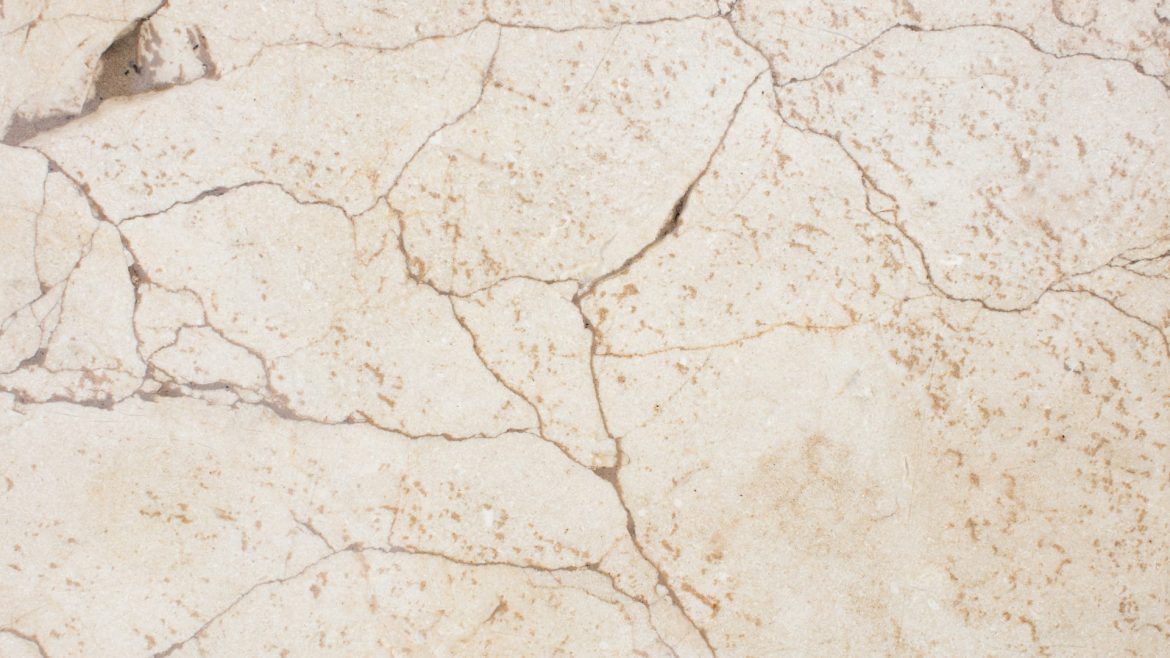
Natural stone flooring adds elegance, sophistication and value to homes, offices, hotels and commercial establishments. Marble, granite, limestone, sandstone and other natural stones are known for their beauty and durability. However, even high-quality stone floors lose their original appearance over time. Regular foot traffic, dust, spills, stains, moisture and improper cleaning can leave surfaces dull, scratched or damaged. Fortunately, worn-out stone flooring does not always need to be replaced. With the right stone restoration services, damaged and tired-looking floors can often be brought back to life.
Why Do Stone Floors Become Dull?
Stone floors are exposed to daily wear, particularly in entrances, hallways, living areas and commercial spaces. Dust and fine grit carried by footwear act like abrasives, gradually creating fine scratches and reducing the natural shine of the surface.
Spilled beverages, oil, coffee, lime juice and other such substances may also cause staining, especially when they penetrate porous stone. Materials such as marble and limestone are particularly sensitive to acidic substances, which result in etching or dull patches. Using harsh chemicals, abrasive cleaners and incorrect maintenance methods damage the finish or weaken the protective treatment applied to the stone.
Professional Inspection Is the First Step
Effective stone floor restoration begins with a proper assessment. All types of natural stones have different characteristics and therefore require specific restoration methods. A professional examines the floor for scratches, stains, etching, cracks, uneven wear, discolouration and loss of polish. The existing finish is also assessed to determine whether the surface requires cleaning, honing, grinding, polishing or a combination of treatments. This evaluation is particularly important for marble because excessive or incorrect treatment can affect its appearance.
Deep Cleaning and Stain Removal
The stone should be thoroughly cleaned prior to starting the polishing process as accumulated dirt, grease and other contaminants interfere with the procedure. Professional stone cleaning involves selecting products according to the type of stone and the nature of the problem. Certain stains may require specialized treatment or poulticing techniques to draw contaminants from the pores of the stone.
Removing Scratches and Surface Damage
Light scratches, worn areas and surface imperfections can often be corrected through professional honing and diamond polishing. Specialized diamond abrasives are used progressively to refine the surface and remove imperfections. For deeper damage, grinding or additional restoration may be necessary. The objective is to achieve an even and consistent surface rather than simply covering imperfections with a temporary shine.
This is one reason why professional marble polishing services are preferable to attempting complicated restoration work with household products or unsuitable equipment.
Restoring the Natural Shine
Once the surface has been properly prepared, the next step is polishing the surface to restore the smoothness and visual appeal of the stone. The exact process depends on the material.
Marble can be polished to achieve a high-gloss finish, while some property owners may prefer a satin or honed appearance. Granite, limestone and other stones require different abrasives, equipment or techniques because of their varying hardness and porosity. Professional marble floor polishing can significantly improve a worn surface, making the floor look cleaner, brighter and more refined without replacing the existing stone.
Sealing for Better Protection
After restoration, sealing may be recommended depending on the type and location of the stone. A suitable sealer can reduce the absorption of liquids and contaminants and make routine maintenance easier. However, sealing is not a substitute for cleaning. Natural stone should still be maintained regularly, and the condition of the protective treatment should be checked periodically.
Maintaining Restored Stone Floors
Once your floor has been restored, simple maintenance can help preserve the results. Dust and grit should be removed regularly, spills should be cleaned promptly and harsh chemicals should be avoided. Use cleaning products specifically intended for natural stone. Consider placing mats at entrances to reduce the amount of abrasive dirt brought onto the floor. Furniture should also have suitable protective pads to minimize scratching.
Conclusion
Restoring natural stone requires more than simply making the surface shine. It requires an understanding of different stone types, appropriate abrasives, polishing techniques and surface treatments. Dull, stained or damaged stone flooring can significantly affect the appearance of an otherwise well-maintained property. However, professional stone restoration services can transform worn surfaces without the need for complete replacement. From deep cleaning and stain removal to diamond honing, marble polishing and sealing, the right restoration process can bring back the beauty of natural stone while improving its long-term maintainability.
Have questions or need expert advice?
📧 Write to us at: info@aplustouchstoneservices.com
🌐 Visit us online: www.aplustouchstoneservices.com